If you're wondering what your child should know before kindergarten, you're already doing something important: planning ahead. Our early childhood educators hear this question from families every year. The reassuring news is that readiness isn't about memorizing facts or reading chapter books at age five. It's a well-rounded mix of academic, social, emotional, and self-care skills that helps children arrive at school confident and eager to learn.
The quick answer
Most children have an easier start to kindergarten when they can:
- Recognize many letters, especially the ones in their own name, and connect some letters to their sounds
- Count to 20, recognize the numerals 1 to 10, and understand that each number means "how many"
- Name basic shapes and colors, and sort objects by size, shape, or color
- Follow directions with two or three steps
- Share, wait their turn, and play cooperatively with other children
- Use words to say how they feel and ask for help when they need it
- Take care of basics like toileting, handwashing, and putting on a coat
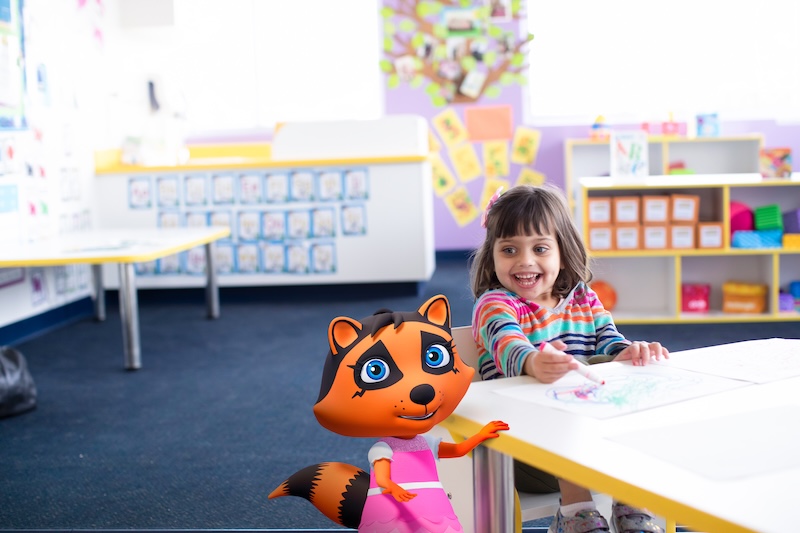
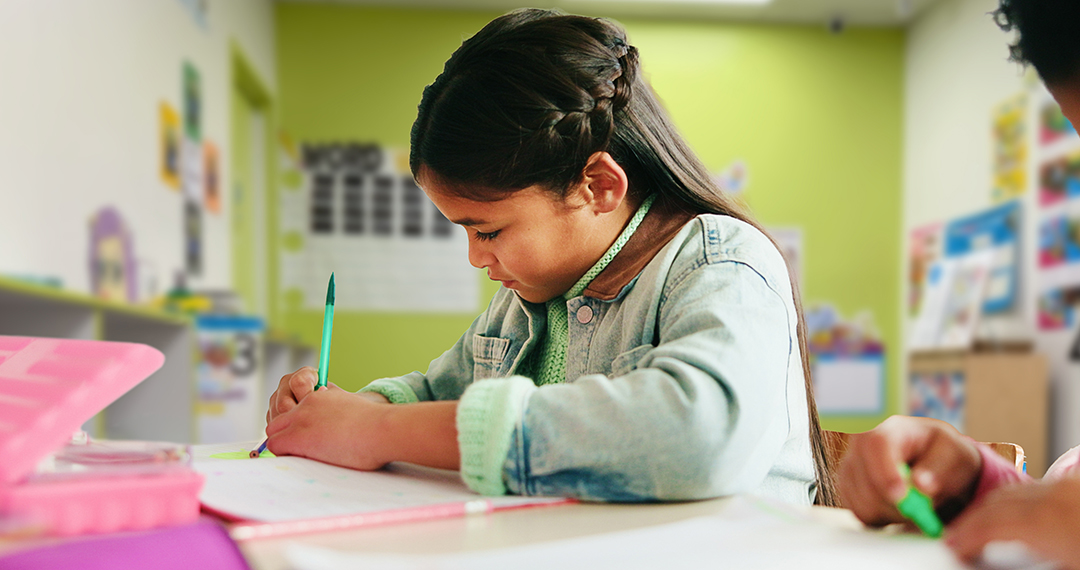
- Hold a crayon or pencil, cut with child-safe scissors, and write their first name
- Listen to a story or stay with one activity for 10 to 15 minutes
- Keep trying when something is hard, instead of giving up right away
Treat this list as a map of what to practice, not a test to pass. Children grow at different speeds, and kindergarten teachers expect a wide mix of skills in every class.
Academic skills
Early academic skills give children a starting point for the reading, writing, and math they'll do in kindergarten. At this age, aim for familiarity and enjoyment rather than mastery.
Early literacy
Pre-reading skills are among the strongest predictors of later reading success. Before kindergarten, children are usually working on:
- Letters: knowing most capital letters and a good number of lowercase ones, beginning with the letters in their name
- Sounds: linking some letters to the sounds they make
- Rhyme: hearing and inventing simple rhymes, such as sun, fun, and run
- How books work: understanding that we read from front to back and from left to right
- Language: describing pictures, retelling a favorite story, and asking questions about what they hear
- Name writing: writing their first name, even if a few letters come out backwards
Everyday conversation matters as much as any of these. Children with strong spoken language have an easier time with reading, writing, and joining classroom discussions later on.
Early math
Math readiness is about seeing how numbers work in daily life. Many children entering kindergarten can:
- Count aloud to 20, and count up to 10 objects by touching each one once
- Recognize the numerals 1 to 10 and match each to the right amount
- Begin to recognize groups of 3 or 5
- Compare groups using words like more, fewer, bigger, and smaller
- Name circles, squares, triangles, and rectangles
- Spot and continue simple patterns, and sort toys into groups
Thinking and learning skills
Teachers also look at how a child learns. Can they focus on a story or activity for 10 to 15 minutes? Do they ask "why" and "how"? Will they try a new approach when the first one doesn't work? Attention, persistence, flexibility, and curiosity help children get the most out of everything else they learn.
Social and emotional skills
Many kindergarten teachers rank social-emotional skills as highly as academics. A child who can handle strong feelings, get along with classmates, and adjust to new routines has more energy left for learning.
- Saying goodbye: separating from a parent at drop-off and trusting that they'll come back, even if it's hard the first few times
- Sharing and turn-taking: waiting for the swing or a favorite toy, and offering materials to others
- Naming feelings: saying "I'm mad" or "I'm sad" instead of hitting, melting down, or going quiet
- Following routines: understanding expectations like cleaning up, lining up, and raising a hand
- Playing together: joining group games, playing pretend, and working through small conflicts with adult support
- Kindness: noticing when a friend is upset and offering comfort
- Speaking up: telling a teacher when they need something, feel confused, or don't feel well
These skills grow with practice around other children. Time with peers before kindergarten gives children daily chances to share, negotiate, and make friends.
Independence and self-help skills
One kindergarten teacher cares for a whole room of children, so children who can manage their own basic needs feel more capable and confident. In the months before school, give your child chances to practice:
- Using the bathroom alone, including flushing and washing hands
- Putting on and zipping a coat, and putting on shoes (Velcro counts)
- Opening lunch boxes, snack bags, and juice boxes
- Carrying and keeping track of their own backpack and folder
- Tidying up after play and snack time
- Saying their full name, and ideally a parent's name and phone number
These tasks will take longer when your child does them on their own, and that's fine. Allow a little struggle, too. When a zipper sticks or a block tower topples, hold off on fixing it right away. Offer encouragement, ask a guiding question, or give just enough help for them to finish. Learning to keep going is a readiness skill of its own.
Fine and gross motor skills
Motor skills support everything from writing a name to playing at recess.
Fine motor skills use the small muscles of the hands and fingers. Children starting kindergarten are usually practicing how to:
- Hold a crayon or pencil with a comfortable grip
- Open and close a glue stick independently
- Cut along a line with child-safe scissors
- Draw simple shapes and a basic figure of a person
- Stack blocks, string beads, and use a glue stick
Gross motor skills use the large muscles of the body. Look for your child to:
- Run, jump, hop, and climb with steady balance
- Throw, catch, and kick a large ball
- Go up and down stairs with alternating feet
- Sit at a table or on a carpet spot during group time
How to build readiness at home
You don't need flashcards or workbooks. Daily life is packed with chances to learn, and children often don't notice they're learning at all.
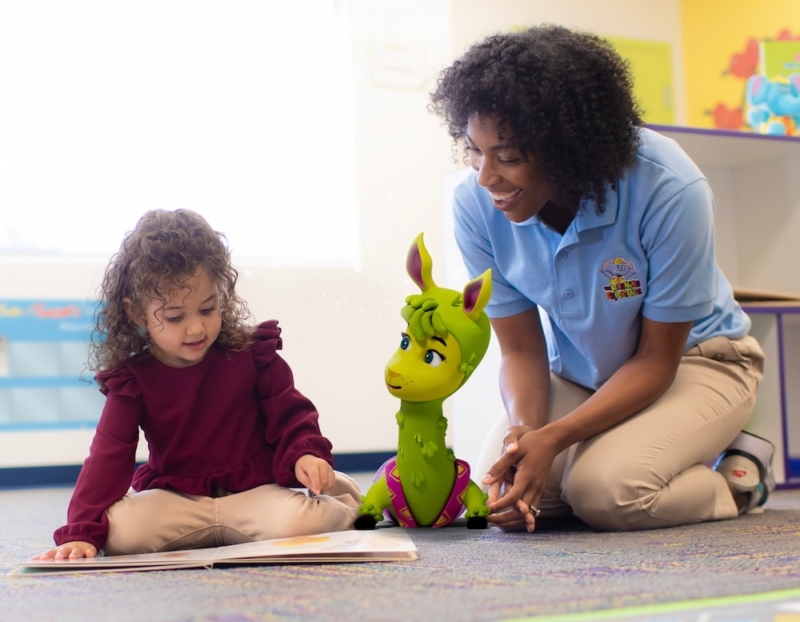
- Read together every day. Make a bedtime story part of the routine. Point to words, talk about the pictures, ask what might happen next, and let your child retell the story. Keep it fun, not a quiz.
- Talk, and ask open-ended questions. Try "What was the best part of your day?" or "How did you figure that out?" Questions that need more than yes or no build vocabulary, storytelling, and reasoning.
- Count everything. Count stairs, apple slices, or red cars at a stoplight. Ask "How many more do we need?"
- Play letter and sound games. Play "I spy something that starts with M" in the car or at the store.
- Play to build focus. Puzzles, blocks, board games, pretend play, and cooking together help children stay with a task and work through frustration.
- Offer real choices. Let your child pick between two outfits, choose the bedtime book, or help plan a snack, even when it's not what you'd pick.
- Name feelings out loud. Say something like "You seem frustrated. Let's take a slow breath together."
- Hand out small jobs. Setting the table, sorting socks, and putting toys away build independence and practice with following directions.
- Draw, cut, and squish play dough. These activities strengthen the hand muscles your child will use for writing.
- Rehearse the routine. A few weeks before school starts, settle into a steady bedtime and wake-up time, and talk about kindergarten in a positive, excited way.
How The Learning Experience prepares children for kindergarten
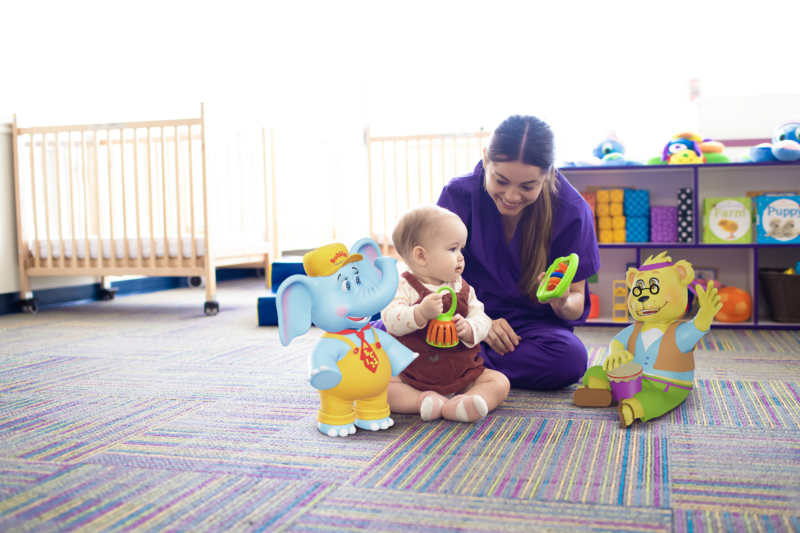
At The Learning Experience, preparing for kindergarten is a path that runs from our infant classrooms through preschool and pre-kindergarten. Our L.E.A.P.® (Learning Experience Academic Program) curriculum is rooted in early childhood developmental milestones, so every age builds on the one before it. Age-appropriate lessons in early literacy, math, science, and social studies go hand in hand with daily practice in routines, friendships, and independence.
Our 2025–2026 School Readiness Report tracked children's progress from the start of preschool through the end of the school year. Across 15 schools in the sample, 97% of children assessed showed progress toward kindergarten readiness on our research-based authentic assessment tool.
That same tool guides how we share progress with you. Rather than relying on tests, teachers observe and document each child's growth during everyday play and classroom activities. At family conferences, they walk you through that progress, so you know which skills your child has mastered and what to practice at home next.
Frequently asked questions
What should my child know before kindergarten?
Ideally, your child will recognize most letters, count to 20, name basic shapes and colors, and write their first name. Just as important, they can follow simple directions, share and take turns, use words for feelings, handle bathroom and coat routines, and keep trying when a task is tricky.
Does my child need to read before kindergarten?
No. Most children aren't reading on their own when kindergarten begins, and formal reading instruction starts there. What helps most is knowing letters and some of their sounds, enjoying books, and understanding that printed words carry meaning.
Which readiness skills matter most?
Many educators put social-emotional skills, like self-control, following directions, and getting along with others, on equal footing with academics. Habits like curiosity and persistence matter too. A child who can manage feelings and routines is free to focus on learning.
How can I tell if my child is ready?
Look at the whole child: early literacy and math, independence with self-care, comfort being apart from you, and the ability to focus for 10 to 15 minutes. Your child's preschool teacher can share an assessment of where they are and what to practice.
What if my child hasn't met every milestone?
That's normal. Kindergarten teachers expect a wide range of skills on day one, and children keep building readiness once school starts. Focus on steady practice, celebrate effort as well as success, and talk with your child's teacher or pediatrician about any specific concerns.
Does preschool help with kindergarten readiness?
Yes. A quality preschool or pre-K program gives children structured practice with early academics, daily routines, and friendships. Many readiness skills grow best through the everyday experience of being in a classroom.
Give your child a confident start
Kindergarten readiness grows step by step, not all at once. Each shared story, counted snack, and named feeling adds to the foundation your child will build on in school.
Children who feel capable and supported tend to walk into their new classroom excited to learn, make friends, and thrive.
At The Learning Experience, we start building that foundation long before kindergarten. Beginning with our youngest infants, our curriculum is rooted in early childhood developmental milestones, so each stage sets children up for success in the next. Find a center near you and schedule a tour to see our classrooms in action.