
Nap Length and Schedule for Young Children
March 3, 2026

Stay connected with our early education resources

Are you already nervous about your child's first day of Kindergarten? Do you find yourself asking, "Are they ready?" and "Are they prepared?" Instead of worrying if they're prepared, make sure they are prepared by teaching the necessary skills for success!
Are you already nervous about your child's first day of Kindergarten? Do you find yourself asking, "Are they ready?" and "Are they prepared?" Instead of worrying if they're prepared, make sure they are prepared by teaching the necessary skills for success!
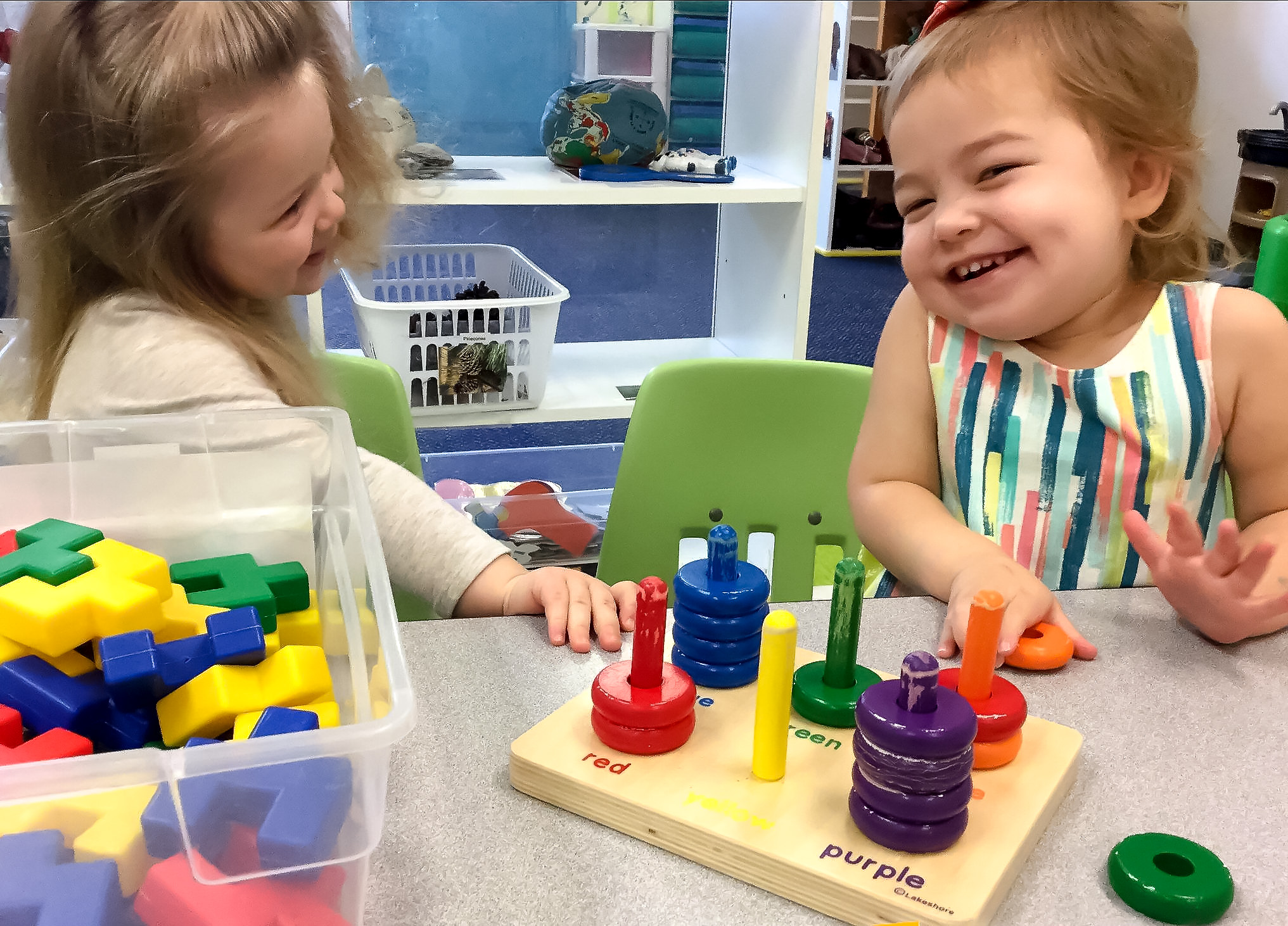
As a parent, you know the excitement of imagining your child growing up to become a successful doctor, a movie star, or even the next president! While those are all fun things to imagine, what most parents really want is for their children to become caring, kind, and empathetic, regardless of profession.
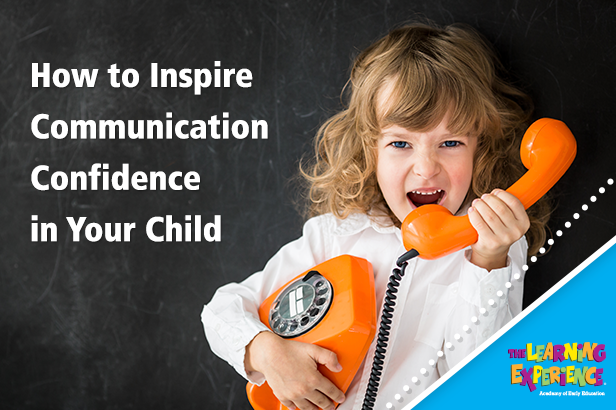
Parents start talking to their children the day they are born, and sometimes even sooner! As a parent, you are your child’s first teacher, and you have likely spent thousands of hours in conversation with your child. This is one way to help your child develop effective communication skills. As our children begin a new school year, these skills are essential to building communication confidence in your child.
In our increasingly diverse society, there is a growing appreciation of the value of speaking more than one language. Opening one’s mind to learning about and embracing other languages and cultures can bring rich rewards. Anyone who speaks a second language can communicate with greater numbers of people, expanding their educational, professional, and social opportunities. Helping our children learn a second language is a great way to prepare them to succeed in every aspect of their adult lives.
From infancy, children begin to construct ideas about math through their daily routines and experiences, as well as interactions with trusted adults. Helping them see how math plays a role in their everyday lives allows children to begin to develop important math skills at a very young age.

Stay connected with our early education resources