Ages 3-5 | STEM & Critical Thinking | Featured Character: Lionstein
Science is not a subject young children study, it’s a subject they are immersed in and a way they naturally engage with the world. The two-year-old pouring water back and forth between cups, varying the container size each time to see what changes, is experimenting. The four-year-old pressing their ear against the ground to hear their footsteps travel through the earth is observing. The preschooler who insists on watching a caterpillar transform into a butterfly is practicing cause and effect.
The most important thing adults can do during these years is not teach science, it is to facilitate while the children investigate. The scientific thinking habits that predict long-term STEM success are not formed in fourth grade. They are formed in the first five years of life.
How Young Children Already Think Like Scientists
The scientific method, at its core, is a formalized version of something children do instinctively: observe, hypothesize, test, and revise. The challenge is allowing children to engage in the trial-and-error process to come up with answers on their own, rather than being told.
For example, when a child asks, "Why does ice melt?" and an adult immediately explains the science, the child gets information. However, when the adult instead asks, "What do you think happens when ice gets warm?" and then offers an ice cube to test the hypothesis, the child gets something more valuable: the experience of finding it out for themselves. That experience is what builds scientific confidence.
The single most transferable message you can send a young scientist is: "I don't know. Let's figure it out together." It models intellectual curiosity, communicates that not knowing is the beginning of discovery rather than a failure, and puts the child at the center of scientific discovery.
Building a Curiosity-Rich Environment at Home
You do not need a chemistry set or a STEM kit to build scientific thinking in preschoolers. You need patience, open-ended materials, and willingness to follow your child's curiosity wherever it leads. Some of the most powerful early science happens in the kitchen, the garden, the bathtub, and on a neighborhood walk.
If you’re looking for ways to integrate science at home, try keeping a simple nature journal where your child draws or dictates observations about things they find outside. Set up a sensory exploration station with water, sand, or dry rice and measuring tools. Cook together and narrate the changes you observe. Point out weather patterns and ask your child to predict what tomorrow will look like.
Ask open-ended questions consistently: "What do you think will happen?" "Why do you think that changed?" "What should we try next?" These questions teach children that their ideas matter and that science is something they are already doing.
Why STEM Thinking Is About More Than Future Careers
The case for early scientific thinking goes well beyond workforce preparation. A child who learns early to ask good questions, form hypotheses, test assumptions, and revise beliefs in light of new evidence is developing the mental flexibility and evidence-based reasoning that allows people to navigate a complex, rapidly changing world. These are life skills, and the foundation is laid in preschool.
How This Comes to Life at The Learning Experience:
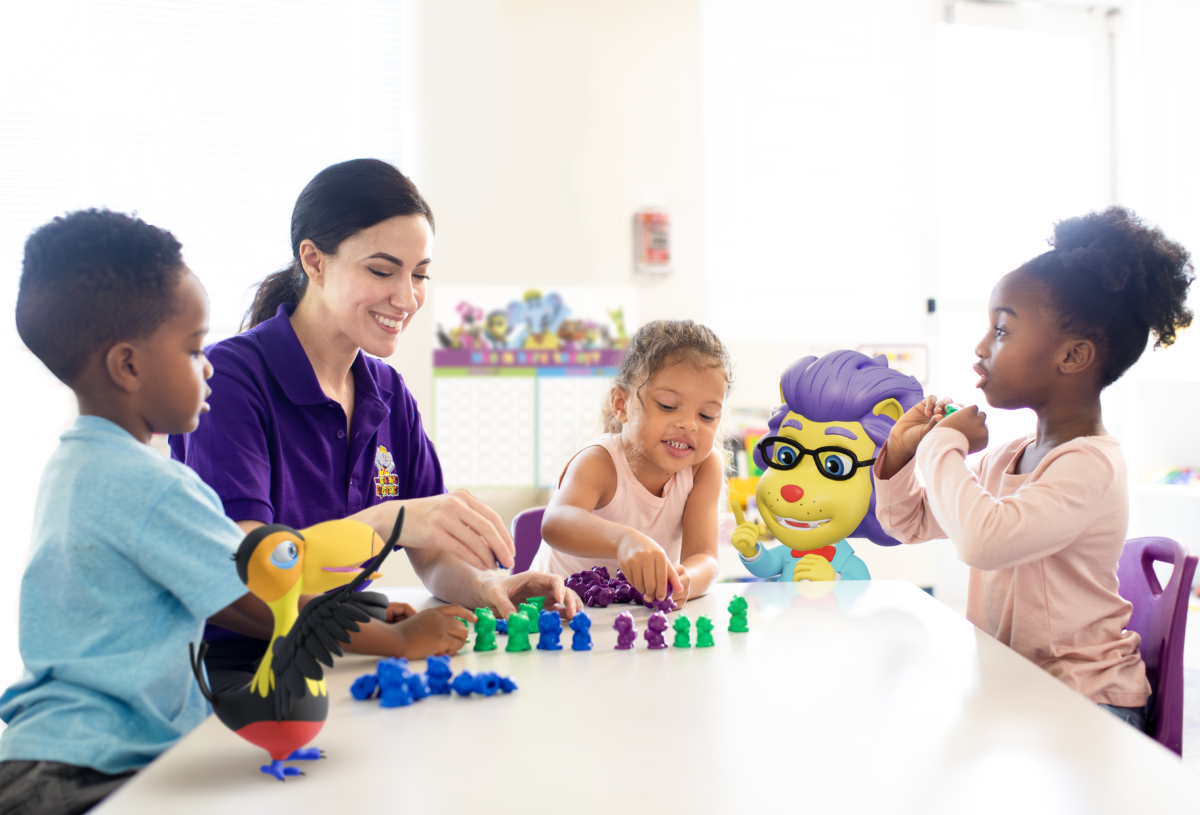
At The Learning Experience, Lionstein helps bring early STEM concepts to life through the L.E.A.P.® curriculum's focus on cognitive development, problem-solving, and a genuine love of discovery. The Birth to Five Matters framework identifies the Characteristics of Effective Learning as central to how young children develop. It states that effective learning must be meaningful to a child so they can use what they have learned and apply it in new situations. This is precisely the principle behind Lionstein's inquiry-based approach: children do not receive science as information, they experience it as discovery. TLE classrooms incorporate child-led investigation, open-ended experimentation, and hands-on exploration so that scientific curiosity becomes a habit of mind, not just a lesson topic. It is embedded in the everyday learning experience.
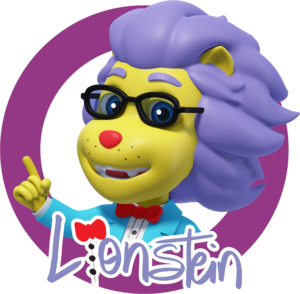
Meet Lionstein
"Predict, observe, experiment too, science is fun for all to do.": Lionstein is TLE's resident scientist, inventor, and big-idea thinker. Wise, creative, and endlessly curious, Lionstein helps children learn through self-discovery as they build, experiment, observe, and care for the world around them. Lionstein covers not just science and STEM thinking, but also nature and conservation, inspiring children to see themselves as explorers of both the classroom and the living world.
Frequently Asked Questions
How do preschoolers learn science?
Preschoolers learn science through hands-on exploration, asking questions, observing changes, making predictions, and experimenting with everyday materials. Inquiry-based experiences build scientific thinking far more effectively than fact memorization at this age.
How can I encourage my preschooler's curiosity?
Ask open-ended questions instead of giving immediate answers. Follow your child's lead on topics that interest them. Provide materials that invite exploration with no single right outcome and model your own curiosity by wondering out loud and saying "Let's find out" when you do not know something.
Want to see our curriculum in action?
Schedule a tour at your nearest The Learning Experience center and watch learning come to life through the characters, activities, and meaningful moments that make TLE different.